Relationship Photos With Family and Friends for a Visa
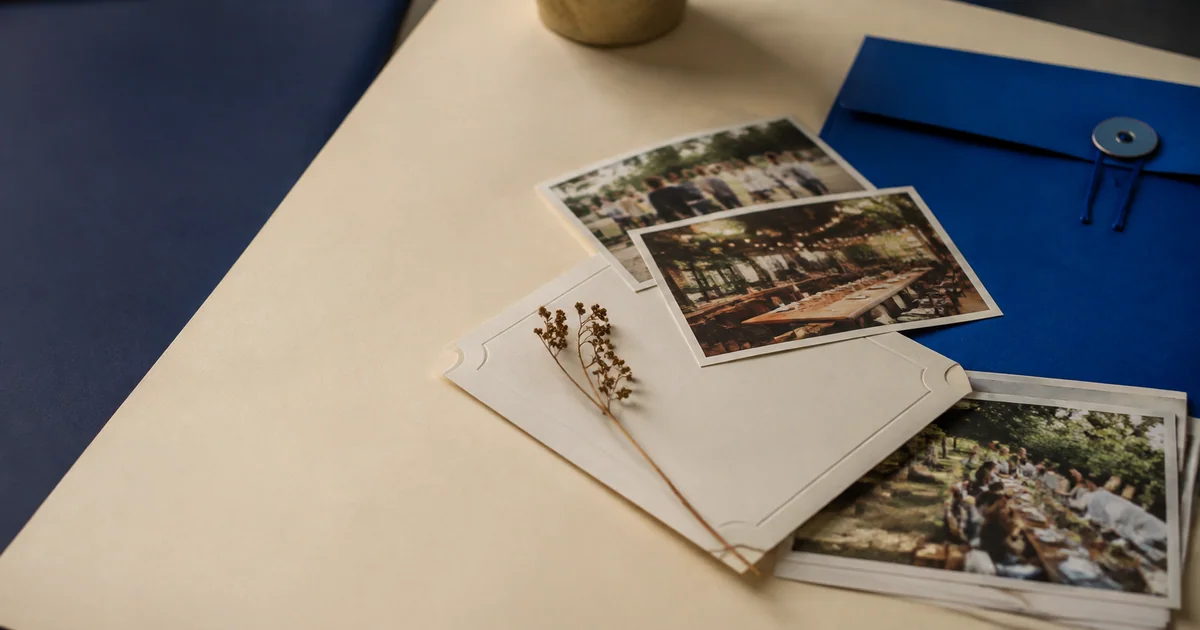
Photographs with family and friends can add useful context to a relationship-evidence file. They may show that a couple spent time together across ordinary social settings, milestones, and visits. They are supporting material, however, not a universal requirement and not a substitute for the official documents requested for a particular visa route.
This guide explains how to choose and label those photographs honestly. Always start with the current checklist for the country, visa type, and personal circumstances involved.
What these photographs can show
A well-chosen group photograph may help a reviewer understand an event that also appears elsewhere in the evidence: a visit, a wedding, a holiday, a family introduction, or an ordinary gathering. The value comes from the factual context around the image, not from the number of people in it.
Examples that may be relevant include:
- a family meal during an in-person visit;
- a birthday, wedding, religious celebration, or public event;
- time spent with friends during a trip;
- a photo that matches a dated booking, passport stamp, or invitation;
- an ordinary shared activity that fits truthfully into the wider timeline.
There is no need to manufacture social occasions or include relatives simply because they appear persuasive. Use the material you genuinely have.
Do not treat photos as the strongest evidence in every route
The weight given to a photograph depends on the route. For UK partner applications, GOV.UK directs applicants toward evidence such as shared residence, joint expenses, marriage or civil partnership, and ongoing commitment. The accompanying caseworker guidance lists photographs as one possible type of supporting evidence, while official and verifiable records can carry more weight. Read the current UKVI guidance.
For Australian partner visas, the authority considers evidence across financial, household, social, and commitment aspects of a relationship. Home Affairs explains those categories. Social photographs can sit within a wider evidence set; they do not prove every category on their own.
Choose variety, not volume
Avoid treating an album as a gallery of every picture taken together. Choose images that add a distinct date, location, person, or relationship stage. A concise set is often easier to review than several pages from the same event.
For each photograph, ask:
- Does it document a specific part of the timeline?
- Is the date or approximate period known truthfully?
- Can I identify the setting and relevant people without exposing unnecessary private information?
- Does another document help verify the visit or event?
If the answer is no, the image may not need to be included. Read how to select relationship photos for a visa for a broader selection framework.
Caption group photos clearly
A reviewer may not recognize a location or know who appears in a group photo. A concise caption should state the date, place, couple, and relevant relationship of other people in the image.
Example: “16 April 2025, Chiang Mai: James and Sofia having lunch with Sofia's mother and younger brother during James's second visit to Thailand.”
You generally do not need to publish every person's full legal name. Identify people only to the extent needed to make the item understandable and consistent with the rest of the application. Do not claim that a photograph proves a legal conclusion or that a third party supports the relationship unless there is genuine, separate evidence for that statement.
Our visa photo caption guide has formats for family meetings, weddings, trips, and ordinary life.
Keep privacy and consent in mind
Group photos can contain children, relatives, colleagues, or friends who are not applicants. Include only material relevant to the application. Avoid intimate images, private third-party information, and social-media screenshots that reveal more than is necessary.
If you use a social-media post or an invitation, preserve enough context to show what it is and when it occurred. Do not edit dates, names, or facts to make a story seem more complete. Keep original files available in case they are requested.
Place social photos in the wider evidence structure
Social photographs work best when they support a clearly organized sequence. For example:
- timeline row: April 2025 — second visit to Thailand;
- travel record: boarding pass or passport stamp;
- album page: selected family photographs with captions;
- supporting record: an invitation, booking, or other genuine document when relevant.
This approach lets a reviewer see how separate files relate to one another without implying that the photographs replace required civil, financial, or residence documents.
VisaAlbum helps you place photographs, tickets, screenshots, and captions into chronological A4 pages. View the sample relationship-evidence PDF or start a Free Preview to test a clear layout with your own genuine material.
VisaAlbum is not a law firm or government authority. It does not provide legal advice, decide which evidence is sufficient, or guarantee a visa outcome.