Long-Distance Relationship Evidence for a Visa
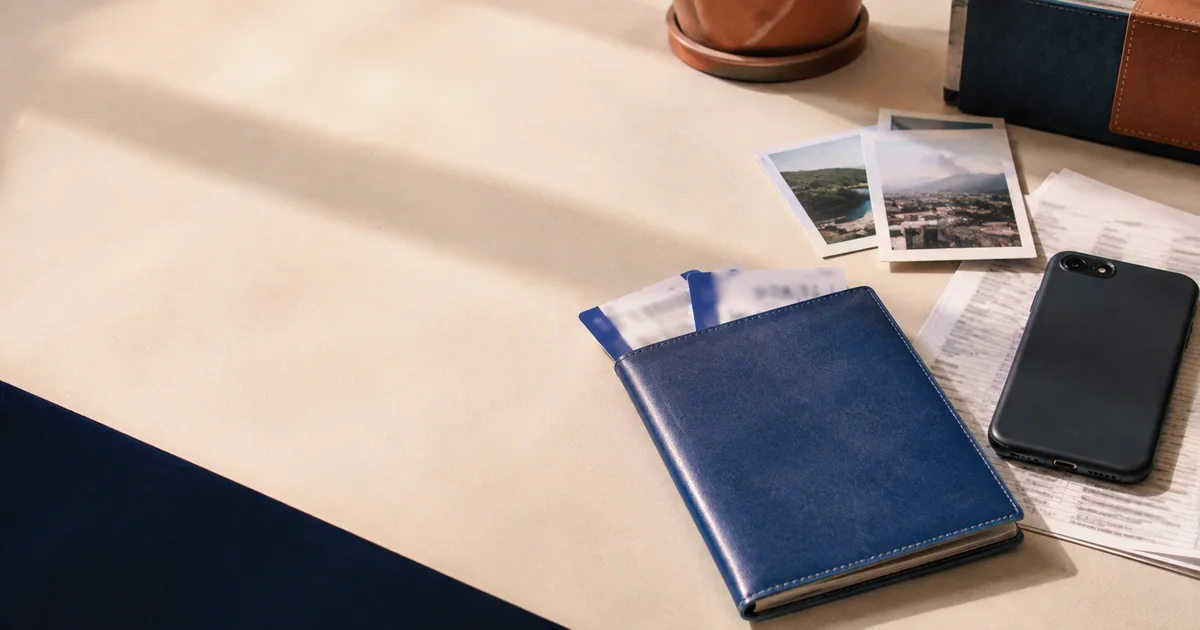
When a couple lives in different countries, their evidence often arrives as a mix of boarding passes, passport stamps, call logs, screenshots, photographs, and plans for the next visit. A long-distance relationship evidence file should make that material easy to follow without treating every message or photograph as equally important.
The right documents depend on the country, visa route, and personal circumstances. This guide is about organizing genuine material; it is not a substitute for the current checklist issued by the authority handling the application.
Start with the facts the authority needs
First, identify the facts your application must establish. Depending on the route, that may include how you met, in-person meetings, periods of cohabitation, shared responsibilities, ongoing contact, or plans to live together.
For example, the current USCIS Form I-129F instructions require most K-1 petitioners to show that the couple met in person during the two years before filing, subject to limited exceptions. For a UK partner route, GOV.UK asks about the relationship, time living together, and shared expenses. Those are different questions, so one generic photo album cannot replace route-specific evidence.
Build a short, accurate timeline first
Before selecting files, make a one-page chronology. Include only milestones that help a reviewer understand the relationship:
- how and when you first made contact;
- each in-person meeting, visit, or trip;
- periods of living together, if relevant;
- longer periods apart and the truthful reason for them;
- meetings with family or friends, significant shared events, engagement, marriage, or other genuine milestones;
- recent communication, visits, and documented plans.
For every important trip, list the date, city, and evidence that supports it. A row such as “3–17 August 2025 — Sam visited Noor in Bangkok — flight confirmation, passport stamp, four dated photographs” is more useful than a page of unlabeled images.
Read our relationship timeline guide for a simple table format.
Select representative communication records
Communication can help explain continuity while you were apart. It is usually clearer to show representative, dated samples across the relevant period than to submit an entire chat history.
Useful examples may include:
- a small number of call-log screenshots spread across different months;
- messages that help explain a visit, a practical decision, or a period apart;
- communication that matches a date in the timeline;
- evidence of shared planning or support, where it is genuine and relevant.
Keep the original records securely. Do not alter messages, create missing context, or include intimate material simply to make the relationship appear stronger. If a screenshot contains irrelevant account details or third-party conversations, consider whether a limited redaction is appropriate under the authority's rules while preserving the genuine date and context.
Pair photos with travel and context
A photograph is easier to understand when it sits beside the date and document that explain it. For example, a page for one visit might include a boarding pass, a passport stamp, and two or three photographs with concise captions.
Each caption can answer four questions:
- When was it taken?
- Where was it taken?
- Who appears in it?
- What genuine event or visit does it document?
Example: “12 February 2025, Chiang Mai: Amina and Daniel having dinner with Amina's parents during Daniel's second visit to Thailand.”
The caption describes the item; it does not need to argue that the relationship is genuine. See visa relationship photo caption examples for more formats.
Explain a gap directly
Time apart is common for international couples. Work, study, finances, family care, health, visa conditions, and travel restrictions can all affect when people can meet. A gap is easier to review when it has a brief, factual explanation and representative supporting records.
For example: “From September 2024 to February 2025, we lived in separate countries while Priya completed her degree. We stayed in contact by weekly video calls and arranged the February visit during that period.”
Do not fill every week with screenshots, and do not invent an explanation. Where the application asks for a statement or a particular form, follow that format.
Keep stronger documents visible
Photos and communication can provide context, but many routes also rely on official or independently verifiable records. For UK partner applications, official guidance places particular value on documents such as tenancy records, bills, joint bank statements, and other evidence of shared responsibilities. The UKVI caseworker guidance explains the evidence categories in more detail.
Arrange supporting photos and communication around those records rather than presenting them as a replacement. If the upload portal requires documents in separate categories, follow that structure even when you keep a separate timeline PDF for clarity.
Prepare the final PDF carefully
Before exporting, check that:
- the timeline agrees with forms, travel records, and statements;
- screenshots remain readable at normal zoom;
- captions identify dates, locations, and people truthfully;
- private details are included only where needed;
- the file size and document order meet the current upload instructions.
VisaAlbum can help you arrange genuine photographs, screenshots, tickets, captions, and dates into clear A4 pages. View the relationship-evidence PDF example or start a Free Preview to test the structure with your own material.
VisaAlbum is an organization and presentation tool, not a law firm or government authority. It does not determine which evidence will be accepted or guarantee a visa outcome.